



High-profile moves cannot afford hidden friction
For senior and high-profile talent, the real test begins after arrival.
For senior leaders, high-profile talent and individuals operating under scrutiny, relocation is only one part of the equation. The logistics can be executed flawlessly, yet the assignment can still come under pressure within weeks. At this level, success is not defined by delivery. It is defined by how quickly the individual can settle, operate and perform.
The expectation placed on C-suite leaders, film and media talent, and professional athletes is immediate. They are required to lead, deliver or perform from the outset, often in unfamiliar environments with little margin for disruption. Research across global mobility continues to highlight that cultural adjustment, family stability and personal wellbeing are key factors in assignment success, yet these are often the least structured areas of support.
At the top end of global mobility, the stakes are different
For senior and high-profile moves, the cost of disruption is not limited to the individual. It can impact production timelines, commercial outcomes, team performance or organisational leadership. The move itself is rarely the issue. It is what happens once the individual arrives that determines whether the assignment works.
A common scenario illustrates this. A senior executive relocates successfully, immigration is secured, and the residence is in place. From a delivery perspective, everything is complete. Within a short period, however, pressures begin to emerge. Family members are not settled, local systems are unfamiliar, and the individual is expected to lead at pace in a new environment. The move is complete, but the conditions required for success are still forming.
For film, media and sports talent, the pressure can be even more immediate. Schedules are fixed, performance is visible, and there is little tolerance for disruption. Settling in is not a gradual process. It needs to happen quickly and discreetly, without affecting output.
For senior leaders, high-profile talent and individuals operating under scrutiny, relocation is only one part of the equation. The logistics can be executed flawlessly, yet the assignment can still come under pressure within weeks. At this level, success is not defined by delivery. It is defined by how quickly the individual can settle, operate and perform.
The expectation placed on C-suite leaders, film and media talent, and professional athletes is immediate. They are required to lead, deliver or perform from the outset, often in unfamiliar environments with little margin for disruption. Research across global mobility continues to highlight that cultural adjustment, family stability and personal wellbeing are key factors in assignment success, yet these are often the least structured areas of support.
At the top end of global mobility, the stakes are different
For senior and high-profile moves, the cost of disruption is not limited to the individual. It can impact production timelines, commercial outcomes, team performance or organisational leadership. The move itself is rarely the issue. It is what happens once the individual arrives that determines whether the assignment works.
A common scenario illustrates this. A senior executive relocates successfully, immigration is secured, and the residence is in place. From a delivery perspective, everything is complete. Within a short period, however, pressures begin to emerge. Family members are not settled, local systems are unfamiliar, and the individual is expected to lead at pace in a new environment. The move is complete, but the conditions required for success are still forming.
For film, media and sports talent, the pressure can be even more immediate. Schedules are fixed, performance is visible, and there is little tolerance for disruption. Settling in is not a gradual process. It needs to happen quickly and discreetly, without affecting output.


The reasons for FastTrack
Rob McFarland, Group CCO, discusses how FastTrack by K2 streamlines mobility transition, faster, offering companies a more efficient way to manage their program. He explains that the service was developed to address the growing need for agility in business operations, enabling organisations to quickly adapt to changing market demands.
Discretion, continuity and personalisation
This is where standard relocation models begin to fall short. High-profile individuals do not experience services in isolation. Immigration, relocation, lifestyle support and personal assistance are all part of one continuous experience. When these elements are not aligned, friction becomes visible quickly.
VIP support is not about adding services. It is about ensuring continuity. The individual should not feel a transition between providers, phases or stages of the move. Support needs to be consistent, responsive and tailored to how the individual lives and works.
Discretion also becomes critical. For senior leaders and public-facing talent, the way support is delivered matters as much as what is delivered. Delays, visibility of issues or unnecessary friction can have wider implications beyond the assignment itself.

The gap between delivery and performance
At this level, measuring success at the point of relocation is not just incomplete, it is misleading. The move may be delivered perfectly, but if the individual is not able to operate effectively within weeks, the assignment is already under pressure.
This creates a gap between what is reported and what is experienced. On paper, everything is complete. In reality, the individual may still be adjusting to a new environment, managing personal disruption and building the foundations required to perform.
The factors that determine success are not always visible. They sit in areas such as family integration, local confidence, lifestyle stability and the ability to operate without friction.

What success really looks like at this level
For senior and high-profile talent, a successful assignment is one where the individual is able to transition seamlessly into their environment, maintain focus on their role and deliver without disruption.
That requires more than a successful move. It requires a connected approach across relocation, immigration, lifestyle and personal support, delivered with discretion and continuity.
Anything less introduces risk, not just to the individual, but to the wider outcome they are expected to deliver.

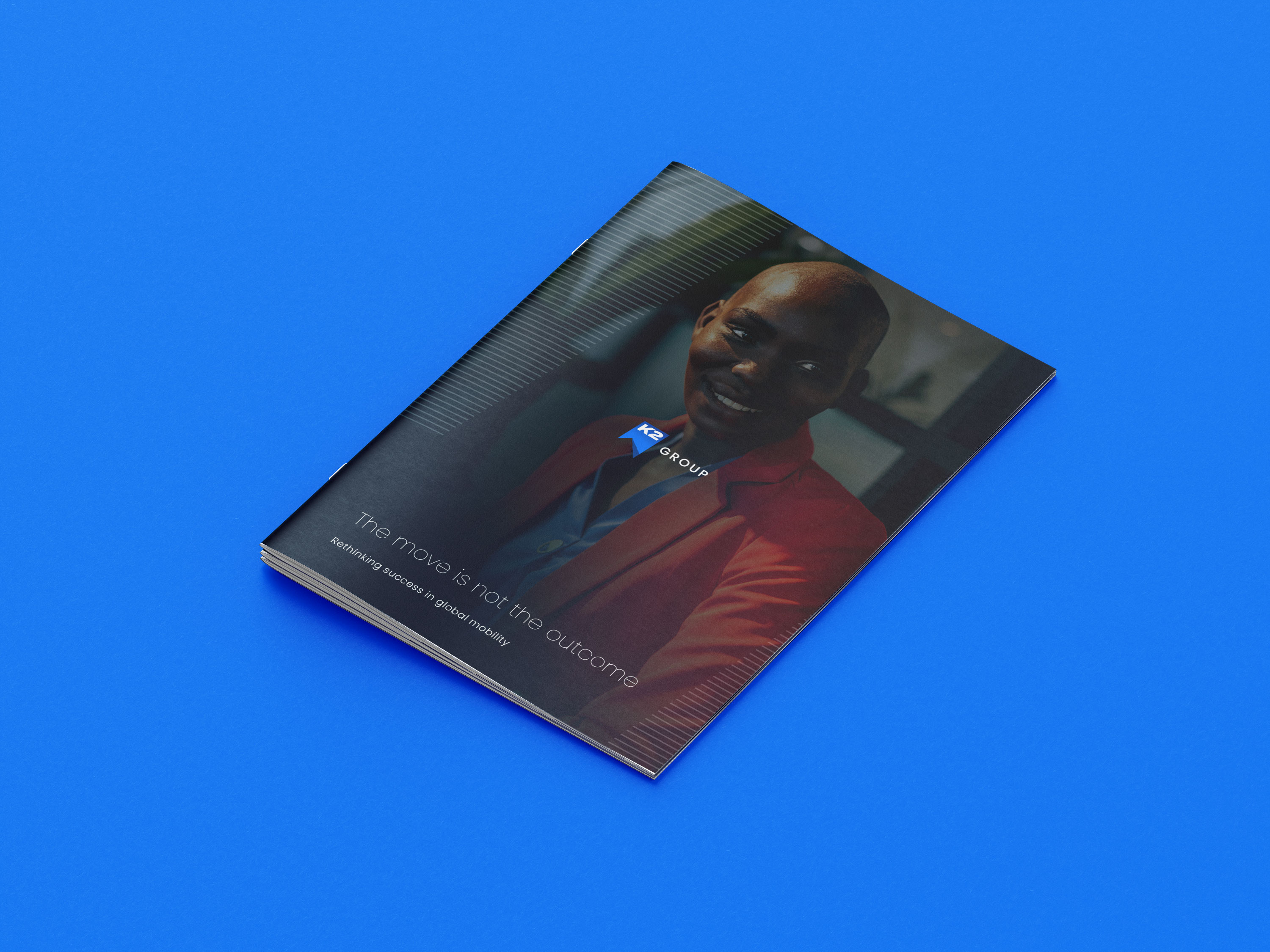
If you are supporting senior or high-profile talent, it is worth asking whether your current approach is designed for delivery, or for performance.
Our latest Frontline Thinking Paper, The Move Is Not the Outcome, explores where assignments are most at risk and how experience shapes outcomes at every level.
Download the Thinking Paper here
If you would like to discuss how we support C-suite leaders, film, media and sports talent through complex international moves, you can contact our team here:
https://www.k2bespoke.com/contact


